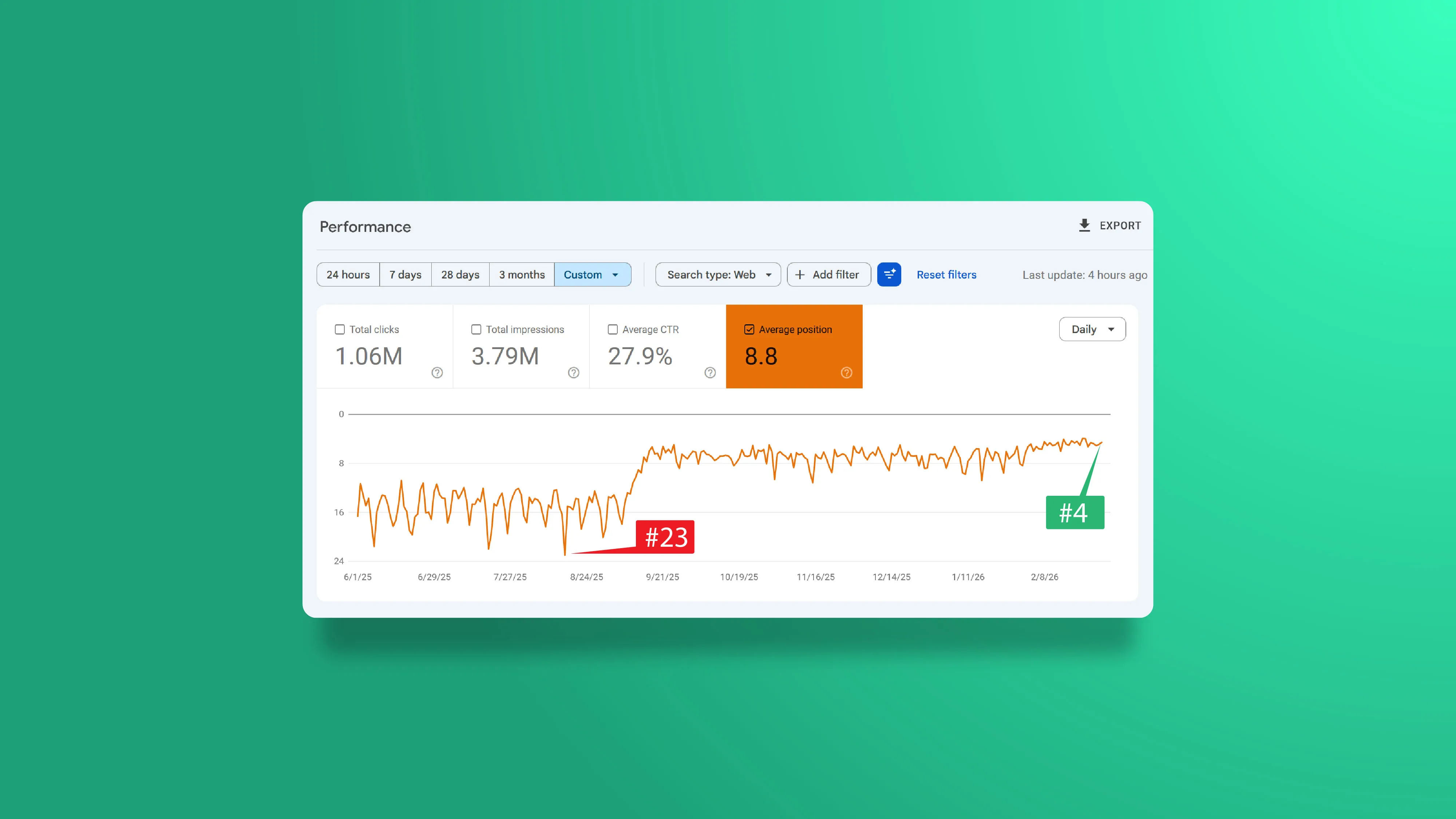
How I moved Worksy SEO ranking from 23 to 4 without any link building
Project: Worksy HRMS
Role: SEO and Content Strategy
Timeline: 12 Months
When I first looked at the SEO performance for Worksy HRMS, the website was sitting at position 23. That is page 3 territory, which means hardly anyone visits it, unless existing users.
I dug into the existing content strategy and noticed a problem. The blog was being outsourced to a third-party agency. They were delivering one post a month, but there was no theme, no strategy and the articles were 'thin' with almost no search demand.
We had articles like:
- How to achieve inclusivity in the workplace
- Key HR management trends in 2024
- Boost employee mental health
They sounded nice, but they did not establish us as an authority on the actual software. Plus, which HR officer would google these terms? The XML sitemap was a mess of inconsistent topics that were not going to get us anywhere.
I knew we needed a change. Here is how I brought the strategy in-house, overhauled the content architecture, and drove real business results.
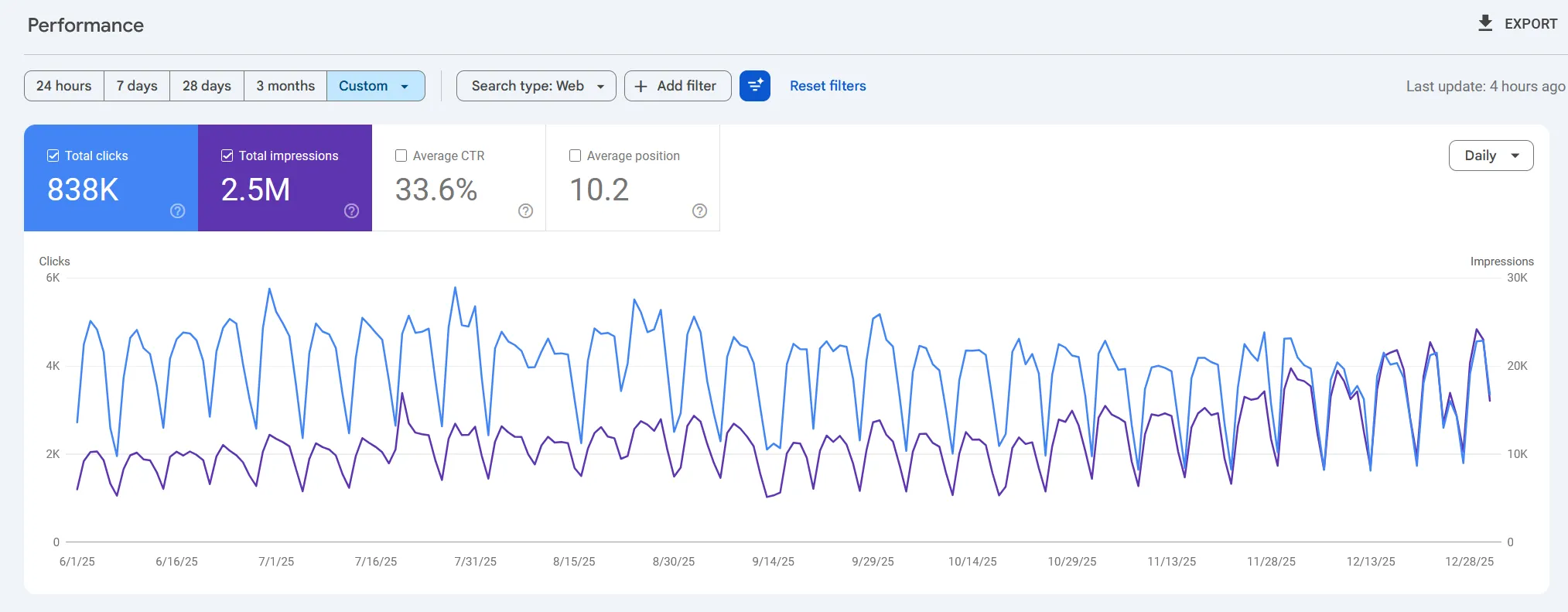
Keep reading to know how I bring 838K traffic to Worksy and generated 2.5M impression within 6 months, without any link building strategy.
The Strategy: Topical Clusters over Thin Contents
I pitched to management to stop the outsourcing and bring content in-house. My argument was simple: We need to dominate our domain, not write generic HR advice.
For this, I need to train Samantha on how to do proper keyword research and technical SEO. Samantha is really good copywriter for almost 4 years now.
I used a Topical Cluster Model. Instead of random topics, we brainstormed the idea and mapped content directly to Worksy's core modules. For example;
| Core Module | Cluster Topics |
|---|---|
| Attendance Module | Maternity leave policies, Paternity leave guides, Annual leave rules, Prorated leave calculations in Malaysia |
| Leave Management | Public holiday entitlements, Emergency leave, Unpaid leave policies |
| Payroll | Overtime calculations, Bonus structures, EPF contributions |
This showed Google that we were not just an HR blog. We were a specialized resource on how to manage HR using our system.
Keyword Research: Data-Driven, Not Guesswork
I did not want to guess what users were searching for. I used a three-step process:
| Tool | Purpose |
|---|---|
| Google Search Console (GSC) | Exported all queries and filtered out branded keywords to find actual questions people were asking |
| Keyword Surfer | Used this extension to gauge monthly search volume quickly |
| People Also Ask (PAA) | Pulled questions directly from search results to ensure our headers matched user intent |
Execution: UX, Code, and Readability
I believe content should be easy for humans to read and easy for AI crawlers to read. I made several technical and structural changes to the blog layout:
Content Changes
- Cut lengthy introductions. Users want answers, not a story
- Converted paragraphs into tables and listicles whenever possible
- Added a soft self-promotion CTA in the middle of content and a hard CTA at the end
- Linked out to third-party government or industry sources (using nofollow) to back up our claims
- Wrote FAQ questions conversationally rather than formally to increase chances of picking up Rich Snippets
Technical Changes
- Wrote a code snippet that automatically targets H2 tags and generates a clickable Table of Contents before the first paragraph
- Coded a custom FAQ accordion for the bottom of posts
The Results (12 Months Later)
The shift from generic content to specialized, technically optimized clusters paid off.
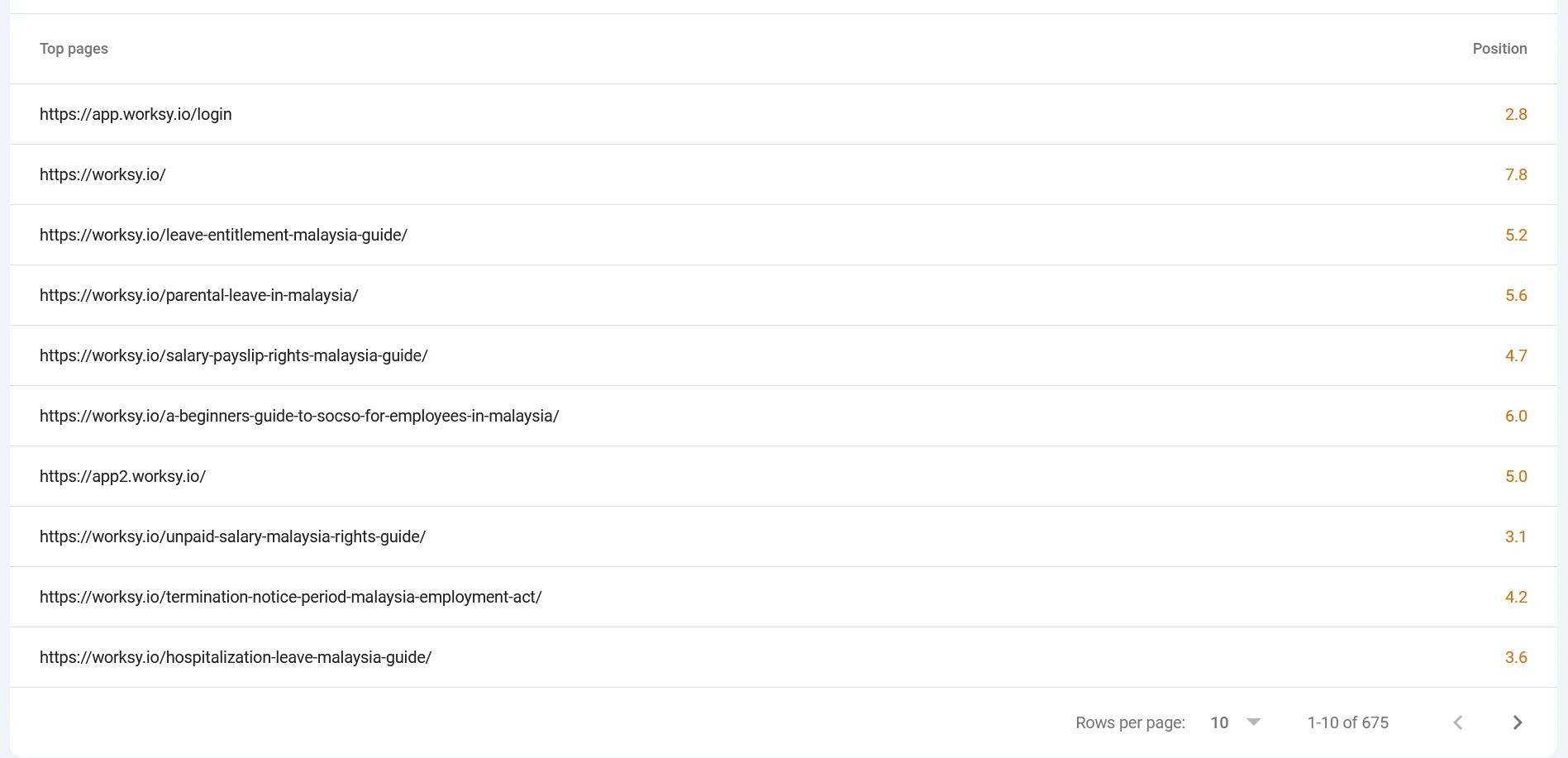
Most of the blogposts that we published actually rank in the first page which brings readers that actually our target audience.
| Metric | Before | After |
|---|---|---|
| Ranking | Position 23 | Position 4 |
| Impressions | ~250k | 500k (December 2025) |
| AI Citations | None | Cited by Google Gemini, ChatGPT, and Perplexity |
| Leads | Baseline | Increased demo requests and qualified leads |
Note: CTR was slightly lower than expected due to the rise of AI Overviews stealing clicks, but brand visibility was at an all-time high.
What This Says About My Work
This project was not just about writing blogs. It was about aligning three key areas:
- Technical SEO (schema, code snippets, internal linking)
- Content Strategy (topical authority)
- Business Goals (leads)
I do not just chase rankings. I build systems that make the brand an authority in its space.